
Hair Loss in Women: Causes & Modern Treatment Approaches
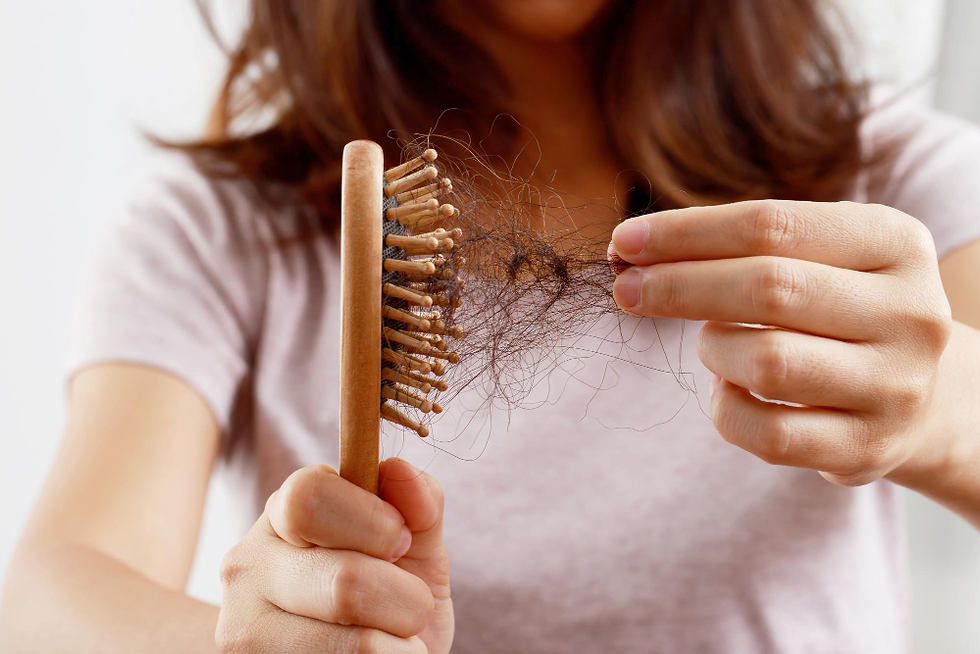
What Is Hair Loss in Women?
Hair loss in women affects millions around the world. While it is normal to lose some hair daily, many women notice more hair falling out than usual. Sometimes, hair may thin slowly. Other times, it can fall out in patches. For many, this change can be stressful. However, understanding what is happening can help. Hair loss in women, also called female pattern hair loss, is different from hair loss in men. Women may notice thinning on the top or sides of the scalp. Yet, complete baldness is rare. According to the World Health Organization, hair loss can happen at any age, but it becomes more common after menopause.
Common Symptoms of Hair Loss in Women
At first, you may not notice hair loss. Over time, certain signs can appear. For example, you might see more hair on your pillow or in your brush. In addition, some women notice their part widening. Others may see thinning at the crown or temples. Sometimes, the scalp becomes more visible. Here are common symptoms:
Gradual thinning on top of the head
Widening part line
Extra hair on combs or in the shower
Patches of missing hair
Itching or tenderness on the scalp
Because these symptoms can be subtle, it is important to pay attention to any changes in your hair.
Leading Causes of Hair Loss in Women
Many factors can lead to hair loss in women. Sometimes, it is due to genetics. Other times, health conditions or lifestyle changes play a role. For instance, stress can trigger hair thinning. Additionally, certain medications or medical treatments may cause hair loss. Here are some leading causes:
Genetics: Female pattern hair loss often runs in families.
Hormonal changes: Pregnancy, menopause, or thyroid problems can affect hair growth.
Medical conditions: Conditions like anemia or autoimmune diseases may lead to hair loss.
Medications: Some drugs for cancer, arthritis, or depression can cause hair to fall out.
Stress: Both physical and emotional stress may trigger sudden hair loss.
Poor nutrition: Lack of iron, protein, or vitamins can weaken hair.
Hairstyles: Tight ponytails or braids can damage hair roots.
Because these causes can overlap, a doctor can help find the exact reason for hair loss.
How Hair Loss in Women Is Diagnosed
Diagnosing hair loss in women usually starts with a physical exam. During the visit, your doctor will ask about your health history. For example, they may ask about recent stress, diet, or any new medications. Next, the doctor may gently pull on some hairs to see how much comes out. Sometimes, a scalp exam is needed. In some cases, blood tests help check for thyroid problems or low iron. If needed, a small sample of scalp skin may be taken for testing. This helps rule out infections or other skin issues. Because early diagnosis is important, seeing a healthcare provider can help guide treatment options for women's hair loss.
Modern Treatment Approaches for Hair Loss in Women
Today, there are many treatment options for women's hair loss. Some treatments can slow hair loss, while others help regrow hair. For instance, topical medicines like minoxidil are often used. This medicine is applied to the scalp and can help new hair grow. In addition, doctors may suggest oral medications for certain causes. For women with hormone-related hair loss, hormone therapy may help. Platelet-rich plasma (PRP) therapy is another modern approach. In this treatment, a doctor injects your own blood platelets into the scalp to boost hair growth. Sometimes, laser therapy is used to stimulate hair follicles. In rare cases, hair transplant surgery is an option. Because not all treatments work for everyone, a doctor can help choose the best plan.
Lifestyle Tips for Managing Hair Loss
While medical treatments are important, lifestyle changes can also help manage hair loss. For example, eating a balanced diet supports healthy hair. In addition, gentle hair care can prevent further damage. Here are some helpful tips:
Use a mild shampoo and conditioner
Avoid tight hairstyles that pull on the hair
Limit heat styling tools like flat irons or blow dryers
Eat foods rich in iron, protein, and vitamins
Manage stress with relaxation techniques
Brush hair gently to avoid breakage
Because small changes can make a big difference, these steps may help slow hair thinning in women.
Prevention Strategies for Hair Loss in Women
Preventing hair thinning in women can be challenging, but some steps may help. First, regular scalp care keeps hair follicles healthy. Next, protecting hair from harsh chemicals or heat reduces damage. For example, limit the use of dyes or perms. In addition, wearing a hat in the sun can shield hair from UV rays. Here are some prevention strategies:
Keep hair clean and free from buildup
Use gentle hair products without harsh chemicals
Protect hair from sun and pollution
Get regular health check-ups to catch any medical issues early
Stay hydrated and eat a balanced diet
Because early action can help, following these tips may lower the risk of hair loss in women.
Address hair concerns with the right approach. Consult Aesthedocs Skin & Hair Clinic for expert guidance, accurate evaluation, and personalised hair loss treatment options.


